Every year, millions of Indian students finish Class 10 and face a big question: “What next?” They mustchoose a stream or career path. In 2026, about 24.7 lakh CBSE students appeared for Class 10 and 23.2lakh passed . Including state and open boards, the number of 10th-graders in India is even higher. Withso many young minds making choices each year, quality career guidance is crucial. The career counsellingfield itself is booming: globally it’s a multi-billion-dollar market projected to grow over 7% annually , andin India it already exceeds ₹5,000 crore with about 15% CAGR . In fact, over 5 lakh Indians searchonline for career help each month, and roughly 400 million people (age 15–35) could benefit from propercareer guidance
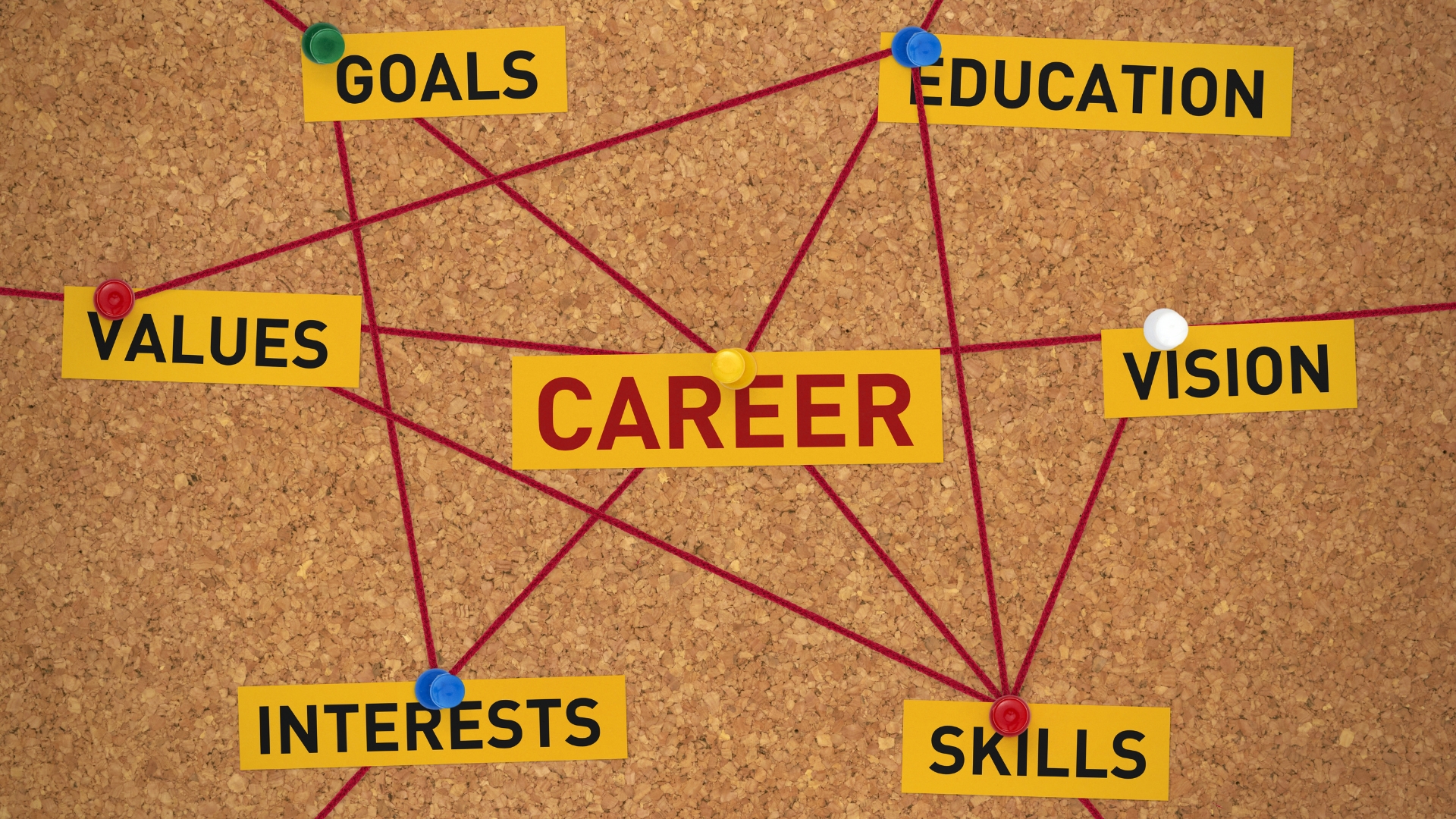
As educational counselors at Skill Academix, we believe every student deserves clear, simple advice. Thisguide breaks down “career opportunities after 10th” into easy steps and sections. We cover the mainstreams (Science, Commerce, Arts), vocational options, example careers (with typical starting salaries), andpractical tips for students and parents. No confusing jargon – just straightforward help to make thisdecision less stressful.
1. Choosing Your Stream: Science, Commerce or Arts?
After 10th grade, students in India typically choose one of three main streams in 11th/12th: Science,Commerce, or Arts/Humanities. Each stream opens different career paths. Nationwide surveys show12331Science and Arts are the most popular, while Commerce has fewer takers. For example, in 2022 about 42lakh students chose Science and 40 lakh chose Arts, whereas only ~14 lakh picked Commerce . (Inpercentage terms, Science/Arts rose from 31% to ~40% of students over the last decade, with Commercearound 14% .)Below we discuss each stream in simple terms:
Science Stream (PCM / PCB)

Who it’s for: If you enjoy Math and Sciences, and like solving problems, Science could be right for you.Parents often push Science, thinking it keeps doors open. It offers the widest range of careers, so thecommon saying is “Science is the safe choice”.
Subjects: Science splits into PCM (Physics-Chemistry-Math) and PCB (Physics-Chemistry-Biology). PCM isneeded for engineering and technology fields. PCB is for medical (MBBS) and life sciences. There is alsoPCMB (with both Math and Bio) for students who want maximum flexibility.
Career paths: Science students can become engineers, doctors, data scientists, architects, researchers,and more. Many high-paying jobs start here. For example, software engineers, data scientists or AI/MLspecialists often come from Science backgrounds. Fresh Engineering graduates can get ₹6–10 lakh peryear or more in early jobs , and tech fields like AI/ML can offer ₹4–20 LPA . Doctors (MBBS) also havestrong careers, though starting salaries vary.
Points to consider: Science keeps options open (you could later switch to Commerce or Arts, but not viceversa). It’s a tough path (lots of study) but rewarding if you like it. If you don’t like math, PCB (no Math) isfine – many medical courses don’t require Math
Commerce Stream

Who it’s for: Commerce suits students who like numbers, business, and economics. If you’re good at math-ish subjects and curious about finance or accounts, Commerce is a fit.
Subjects: Core subjects include Accountancy, Business Studies, Economics, and Maths (optional). These teach you about businesses, markets, banking, and the economy.
Career paths: Commerce opens careers in accounting, finance, banking, management, and entrepreneurship. A very popular goal is Chartered Accountant (CA). After the rigorous CA course, newlyqualified CAs often earn around ₹7–12 LPA . Other paths include Business Administration (BBA/MBA), investment banking, or working in companies’ finance departments.
Points to consider: Commerce was once the “fallback” stream but is gaining respect. Many firms look for Commerce grads for finance jobs. Combine Commerce with computer or analytics skills for extra edge.
Arts/Humanities Stream

Who it’s for: If you’re creative, curious about society or culture, or like to read and write, Arts could be your stream. Arts is not about “no future” – it leads to diverse careers.
Subjects: Arts includes history, geography, political science, sociology, psychology, languages (eg English, Hindi), fine arts, and more. You can also take subjects like Mathematics or Economics in Arts if you like.
Career paths: Arts/Humanities students go on to careers such as lawyers, journalists, civil servants (IAS/IPS), teachers, designers, writers, psychologists, and more. Entry-level salaries vary: e.g., starting pay for lawyers or civil servants can be around ₹5–8 LPA on average. Top law firms start even higher, though competition is tough . Media professionals and journalists might start lower but grow with experience. Arts stream also builds soft skills like communication and critical thinking, which are valuable in many jobs.
Points to consider: Arts encourages creativity and understanding society. There are more options now(e.g., psychology, liberal arts degrees, design courses). It’s important to research specific careers to see what education they require.
2. Vocational and Skill-based Courses

Beyond the traditional streams, vocational training offers practical career paths. These are hands-on courses in trades and technical fields. They are shorter, often government-subsidized, and directly tied to jobs.
Industrial Training Institutes (ITI): After 10th, students can join ITI’s for trades like Electrician, Fitter, Welder, Mechanic, Plumber, Surveyor, etc. ITI courses typically last 1–2 years and cost very little (often ₹10k–50k total). Graduates learn skills for specific jobs. For example, ITI Electricians learn to install and maintain electrical systems. Entry jobs might pay around ₹2–3 lakh per year (roughly₹20–30k per month) . Reportedly, many ITI trade graduates find employment quickly – some studies show 40–50% employability improving each year . With India’s focus on “Make in India” and infrastructure, skilled trade workers are in demand.
Polytechnic Diplomas: These are 3-year technical programs in fields like Automobile, Civil Engineering, Mechanical, Computer Science, and Medical Lab Technology (DMLT), taken after10th. A Diploma in Medical Lab Technology (DMLT) can lead to lab technician jobs. Starting pay for lab techs is around ₹3–5 lakh per year. (For example, some sources estimate ₹2–4 lakh for lab techs.) Polytechnic diploma holders often work as technicians, junior engineers or in industrial jobs.
Private Vocational Certificates: Short courses (6 months–1 year) in computer applications (DCA),fashion design, animation, beauty, etc. Fees range ₹10k–50k. They can lead to jobs like graphic designer, beautician, fashion designer assistant. These often have high placement rates if the institute is good.
Government Initiatives: Many state and central schemes are promoting skills. Under NEP 2020, the aim is that by 2025 at least 50% of students have vocational exposure . New “Skill Labs” and collaborations with industries are being set up in schools. This means vocational courses (ITI, polytechnics) will only grow
3. Example Careers and Earning Potential

4. Trends Shaping Careers and Counselling
To make it concrete, here are example careers one can aim for after 10th, from different streams and courses, with typical starting salaries or trends. (Note: salaries can vary by region, skills, and time, but these give an idea.)
Software Engineer / IT Professional (Science/PCM): Average starting salary ~₹6–10 LPA . Hot areas: Web developer, app developer, cloud engineer, data scientist (data scientist ₹9–20 LPA ), AI/ML engineer (₹4–18 LPA ). Growth is high with tech boom.
Doctor (MBBS) (Science/PCB): Starting salary around ₹7–8 LPA in hospitals. (Private practice can earn more later.) High respect and stable career, but very competitive entrance.
Chartered Accountant (Commerce): After 5+ years and exams, newly passed CAs get ₹7–12 LPA. A tough path but rewarding.
Business Manager (Commerce/BBA/MBA): Entry MBA grads (tech background) can start ₹7–12 LPA and climb. (See up Grad’s list: Product Manager ₹15–30 LPA, Management Consultant ₹16–30 LPA.)
Lawyer or Judge (Arts): Fresh law graduates at top firms: ₹15–18 LPA (though smaller cities payless). Government lawyer or judge starts ~₹5–8 LPA. Civil Servant / Government Officer
(Arts/Science/Commerce): IAS/IPS officers start at ₹6–7 LPA after probation. Many streams can lead here via UPSC exams.
Journalist / Content Creator (Arts): Entry journalists or content writers might start ₹2–5 LPA, but it grows with experience.
Soldier / Security Forces: Though not tied to a stream, many join the Army/Navy/Air Force after12th (especially Science) with starting pay ₹5–6 LPA plus allowances . A respectable, secure career.
ITI Trades (Electrician, Fitter, etc.): As mentioned, starting salaries ~₹2.5–3.5 LPA (₹3–4 LPA) .With experience, skilled technicians can earn much more. This field shows ~12% growth as industry expands.
Medical Lab Technician (DMLT): Starting ~₹2–3 LPA; with experience or specialization ~₹3–5 LPA. Healthcare boom is increasing demand.
These examples show that good salaries exist in all fields – not just Science/IT. Even vocational courses can lead to ₹3–4 LPA jobs. For instance, an ITI electrician or mechanic often finds work in factories or construction, with good growth prospects. The key is matching your interest and skill with the right training.
The world of education and work is changing fast. Here are some big trends to know:
- Tech-driven Guidance: More schools and services use AI and online tools for career tests. Parents and students are turning to digital career guidance. The rise of virtual coaching and AI-based counsellors means personalized suggestions (based on your interests, skills, and job market data) are now possible. For example, many digital platforms use psychometric tests to match students to fields.
- Skill/Employability Focus: 60% of parents now say they care most about whether a course leads to a job . Degrees alone are not enough – practical skills matter. That’s why fields like Data Science, AI, and vocational trades are hot.
- Lifelong Guidance: Career planning isn’t just a one-time thing after 10th. As industries change (e.g., 50% of jobs needing reskilling by 2025 ), students and even adults re-evaluate courses. The notion of “career counselling for life” is growing.
- Government Policies: NEP 2020 and other initiatives push vocational education into mainstream . By 2025, half of all school and college students should have vocational exposure, making skill-training as important as academics. This means schools will offer more career workshops and practical labs.
- Local & Tier-2 Focus: India’s smaller towns are catching up. Companies like Skill Academix emphasize career paths relevant to Tier-2 cities (like Panvel) and Tier-3 areas. While big cities have IT jobs, towns have industries like manufacturing, hospitality, retail. For example, diploma engineers or ITI graduates find many factories or service-sector jobs outside metros.